Cubital tunnel syndrome: could a trapped nerve explain your hand symptoms?

Consultant Peripheral Nerve Surgeon
Published
Adapted from patient information by Mr Ashley Simpson, London Nerve Injury
Read the original patient informationWhat is cubital tunnel syndrome?
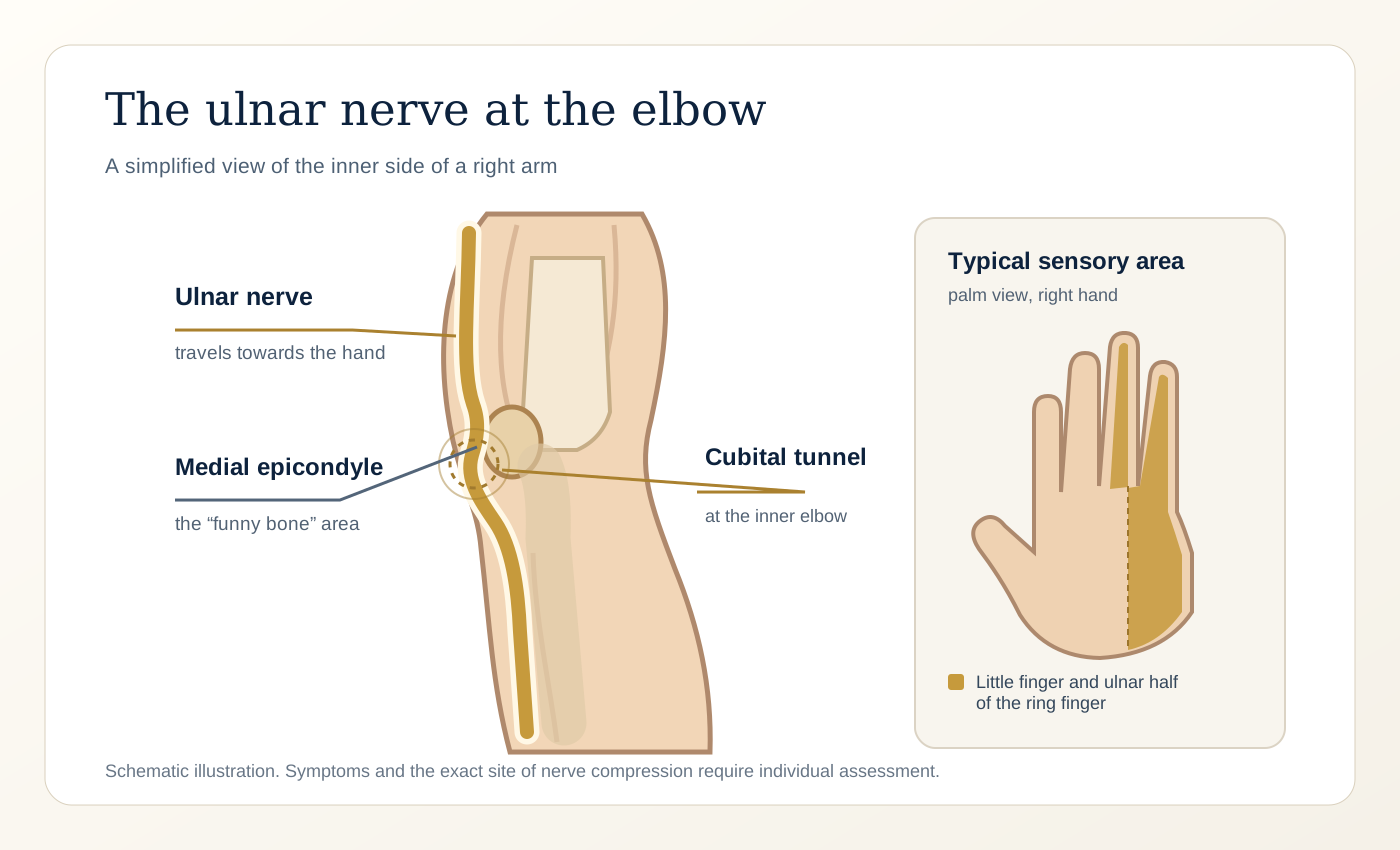
Cubital tunnel syndrome occurs when the ulnar nerve is compressed or irritated around the elbow. This is the nerve responsible for the sensation of hitting your funny bone.
What symptoms can it cause?
Tingling or numbness may affect the little finger and part of the ring finger. Symptoms can be triggered by prolonged elbow bending or leaning on the elbow. Hand weakness, difficulty gripping or reduced dexterity can also occur.
How is it assessed?
A specialist examines the elbow and hand and considers other possible causes, including problems in the neck or compression elsewhere. Nerve tests or selected imaging may help.
What are the treatment options?
Reducing pressure on the elbow and changing aggravating positions may help. Surgery to release or reposition the nerve may be appropriate in some cases. The choice depends on individual examination findings and previous treatment. Surgery aims to protect or improve function, but established weakness may not fully recover.
When should I seek help?
Persistent numbness, increasing weakness or visible muscle wasting warrants prompt assessment.
Related reading
About the author
Mr Ashley Simpson, Consultant Peripheral Nerve Surgeon.
View clinician profileThis article provides general information and does not replace an individual clinical assessment.